


Understanding Of Battery Management Systems
Aug 06, 2025
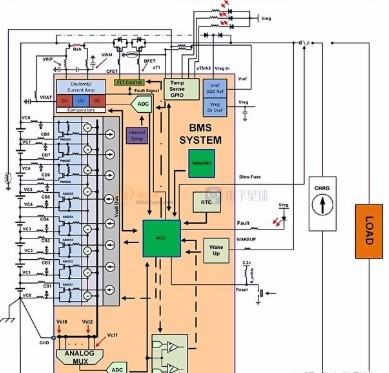
A battery management system (BMS) typically consists of multiple functional modules, including a cut-off field effect transmitter (FET), a battery level monitor, and a battery voltage monitor, battery voltage balance, real-time clock, temperature monitor, and state machine.
1. The Battery Management System (BMS) consists of multiple building blocks.
The grouping of functional blocks has undergone significant changes, ranging from simple simulation front-end to independent integrated solutions for autonomous operation. Now let's take a look at the purpose and technology behind each block, as well as the advantages and disadvantages of each technology.
2. The display shows a schematic diagram of a cut-off FET used for a single connection between the load and the charger, as well as two terminal connections that allow for simultaneous charging and discharging.
3. BMS tasks include voltage and current control, thermal management solutions, fire prevention, and network security. A fully equipped BMS can predict potential hazards and protect the battery and users.
Therefore, the BMS security system can provide secure data transmission and protect the battery storage system from unauthorized use.


